
Amblin Entertainment’s Legacy of Storytelling
When Steven Spielberg, Kathleen Kennedy, and Frank Marshall founded Amblin Entertainment in 1981, they weren’t merely setting up a production company. They were creating a home for stories — a place where every frame, sound, and flicker of light could bring audiences closer to the beating heart of a narrative. Amblin’s signature style — emotional, awe-inspiring, and deeply human — didn’t arrive fully formed. It grew, one spark at a time, as the company found ever-new ways to connect timeless storytelling with the wonder of cinema.

1970s
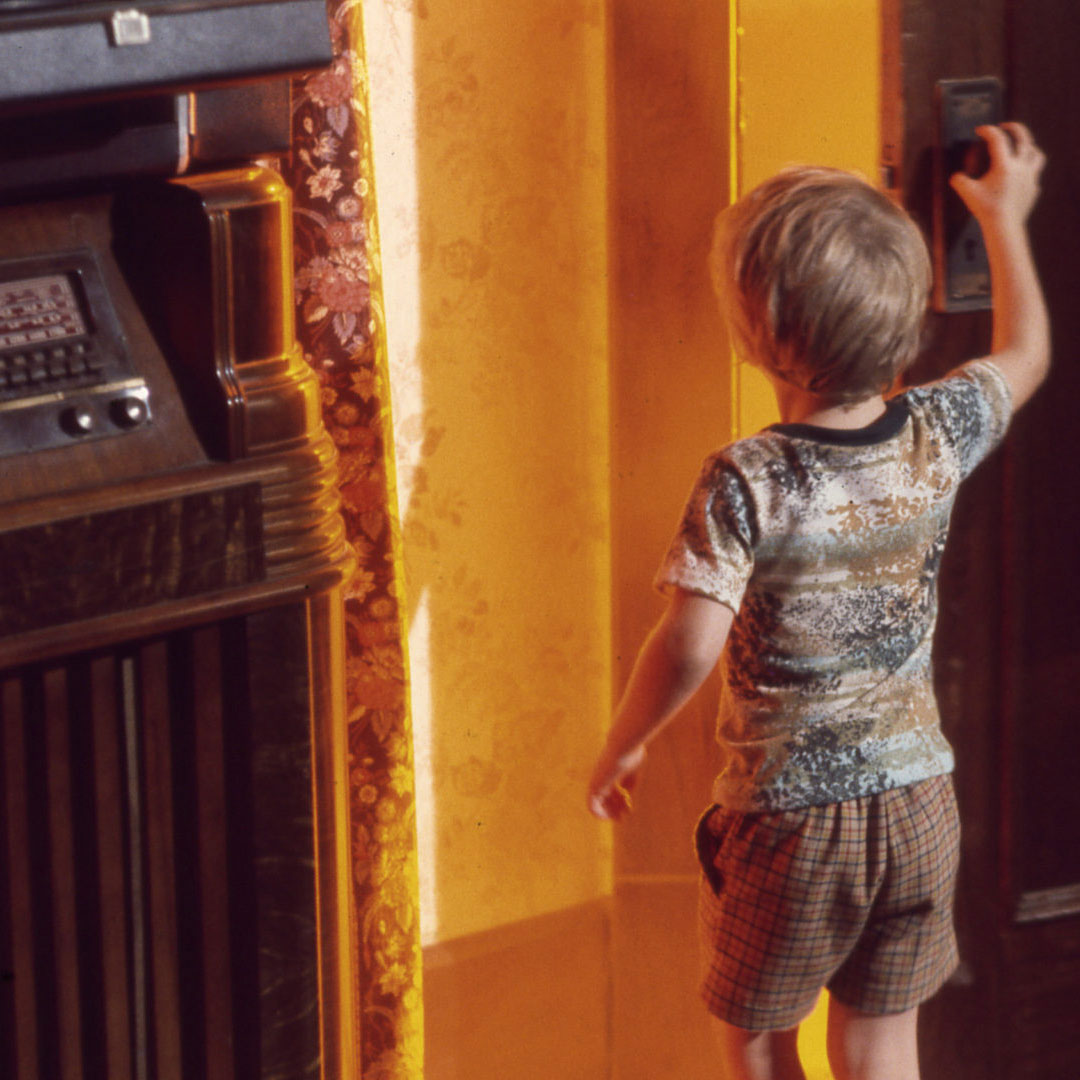
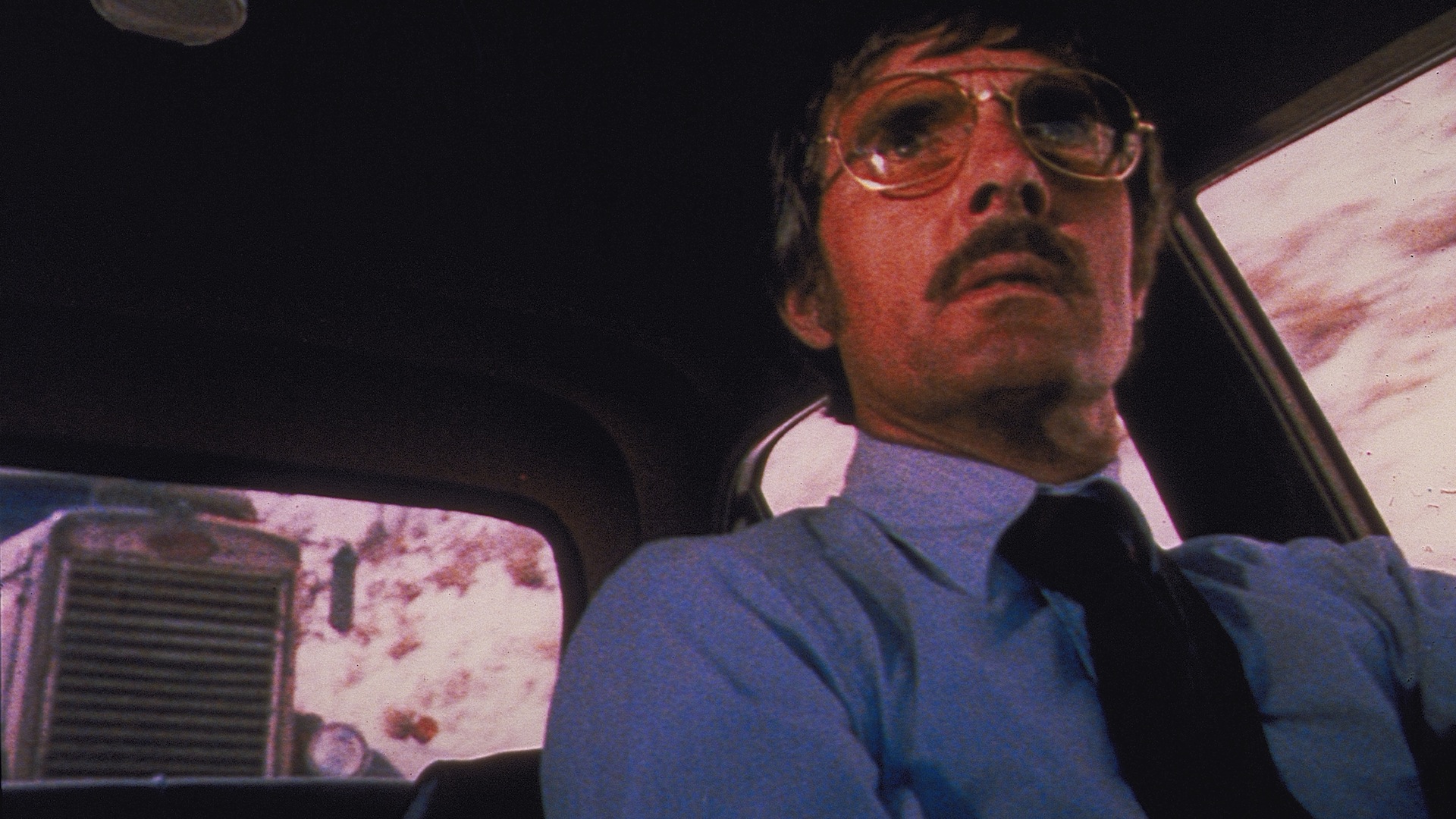
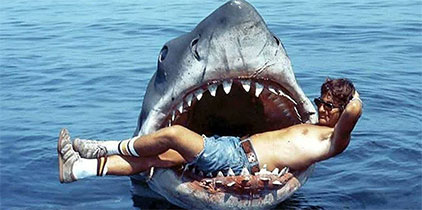
The Amblin story begins with suspense, fear, and awe reshaping filmmaking. Duel (1971) strips storytelling to pure menace on an open highway. Something Evil (1972) creeps into the domestic space, while The Sugarland Express (1974) turns a family’s flight into tragedy and tenderness. Then Jaws (1975) swallows whole the idea of the summer movie, while Close Encounters of the Third Kind (1977) lifts audiences skyward into mystery and contact.

1980s
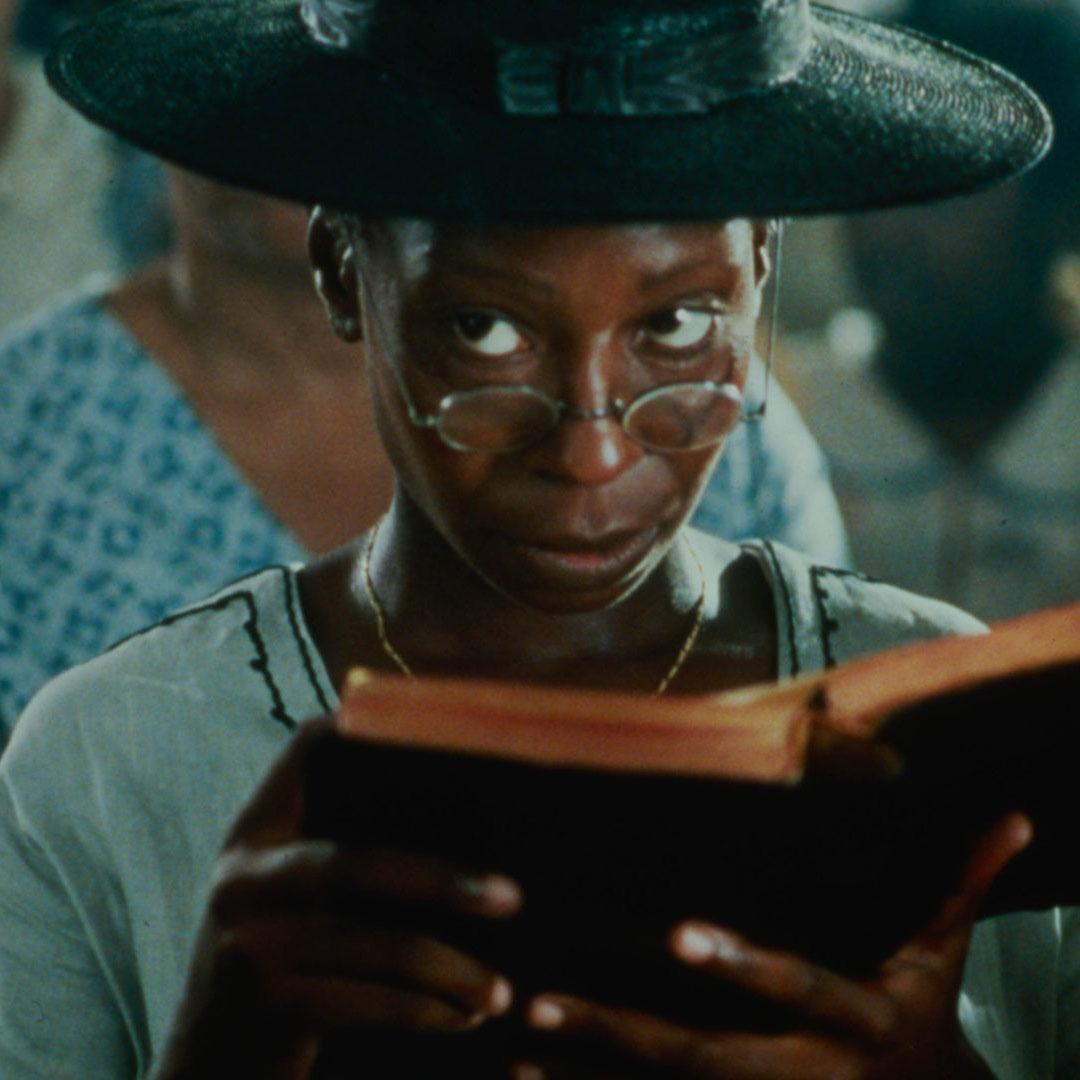
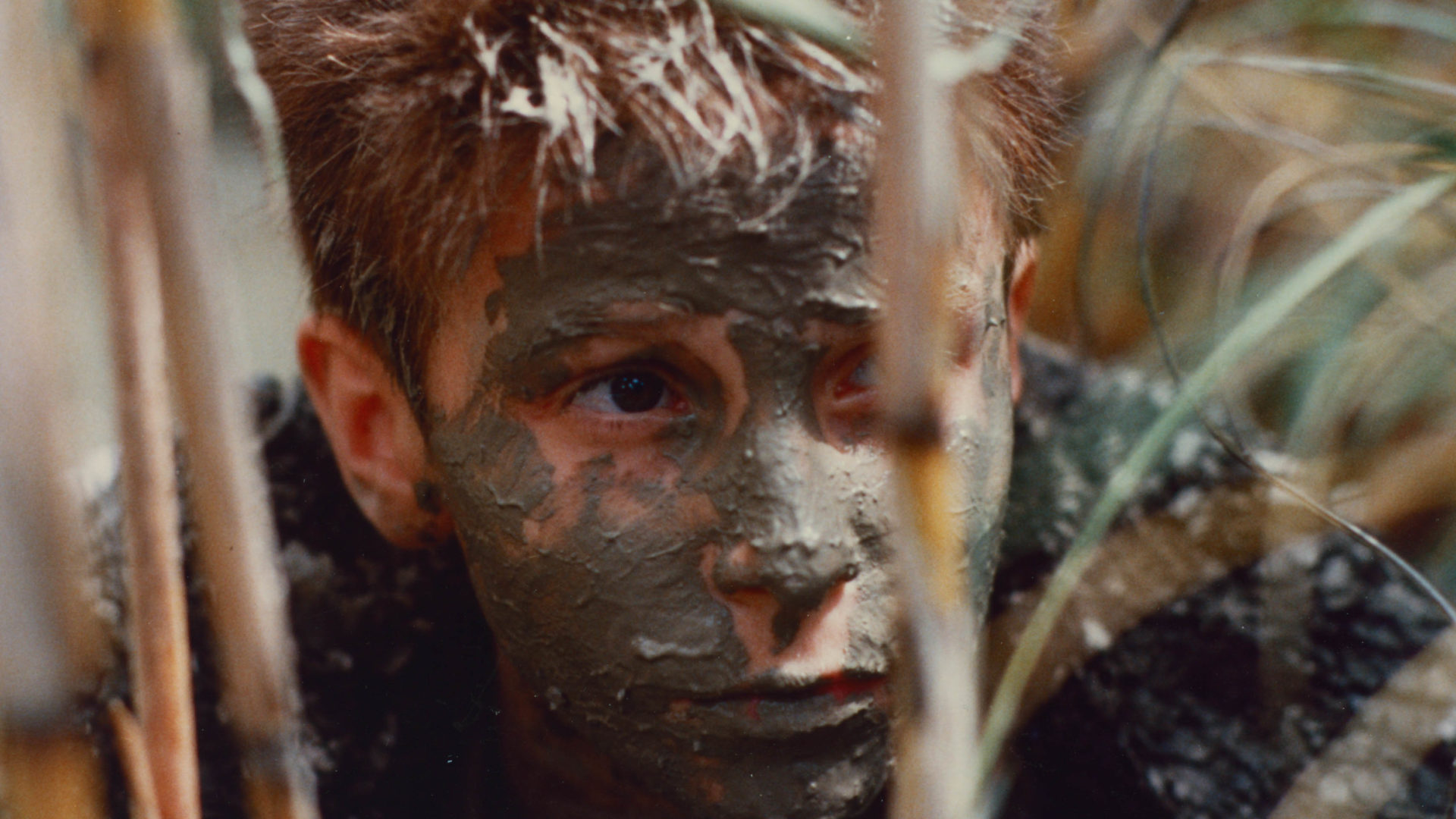
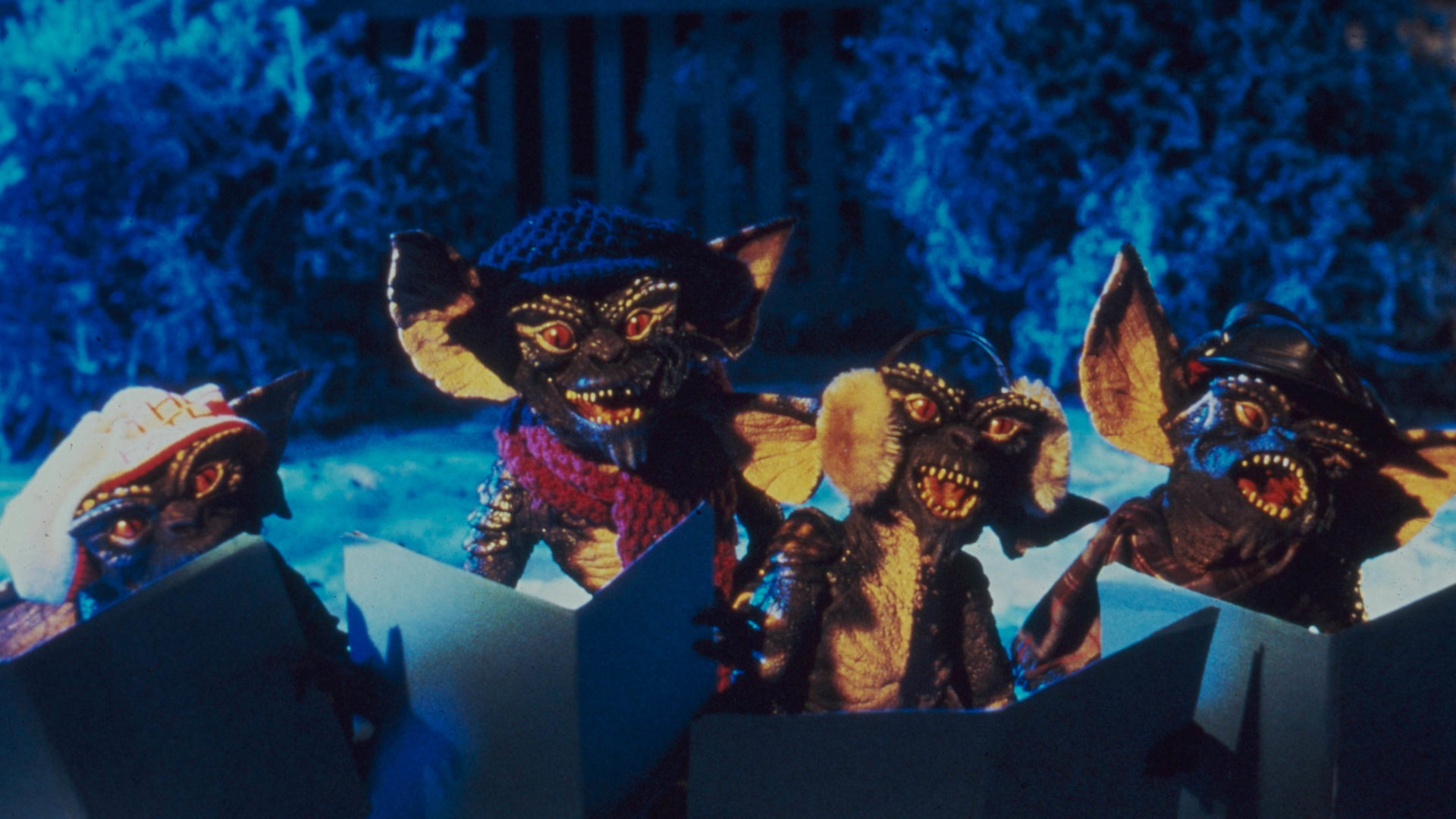
The decade is charged with imagination, where extraordinary encounters become deeply human. In E.T. the Extra-Terrestrial (1982), a boy and an alien reach across galaxies for friendship. Gremlins (1984) turns mischief into mayhem. The Color Purple (1985) reveals resilience through hardship, while Empire of the Sun (1987) watches innocence unravel in the chaos of war. With Batteries Not Included (1987), magic arrives in the smallest of forms.
1990s
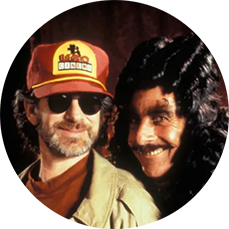
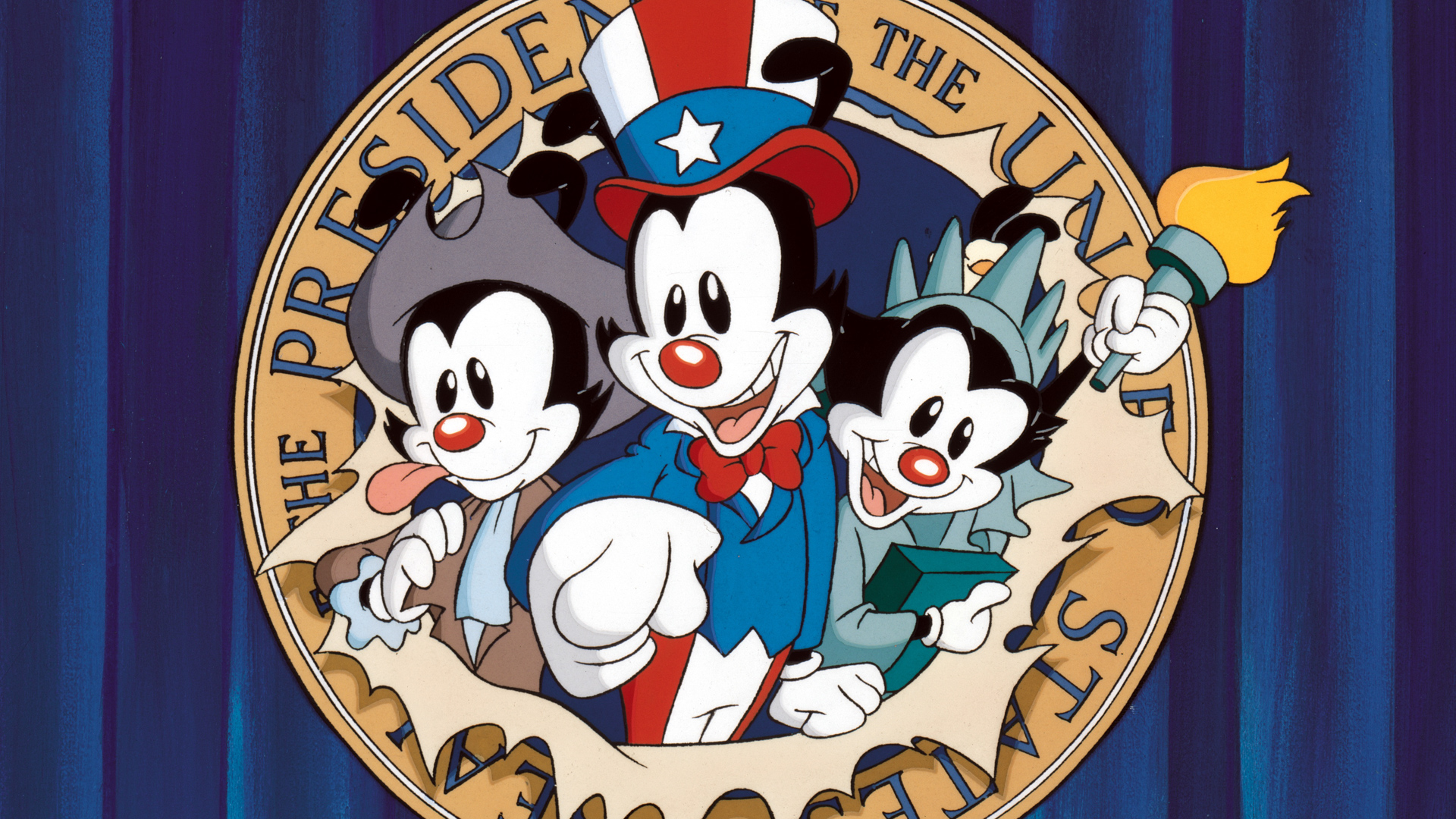
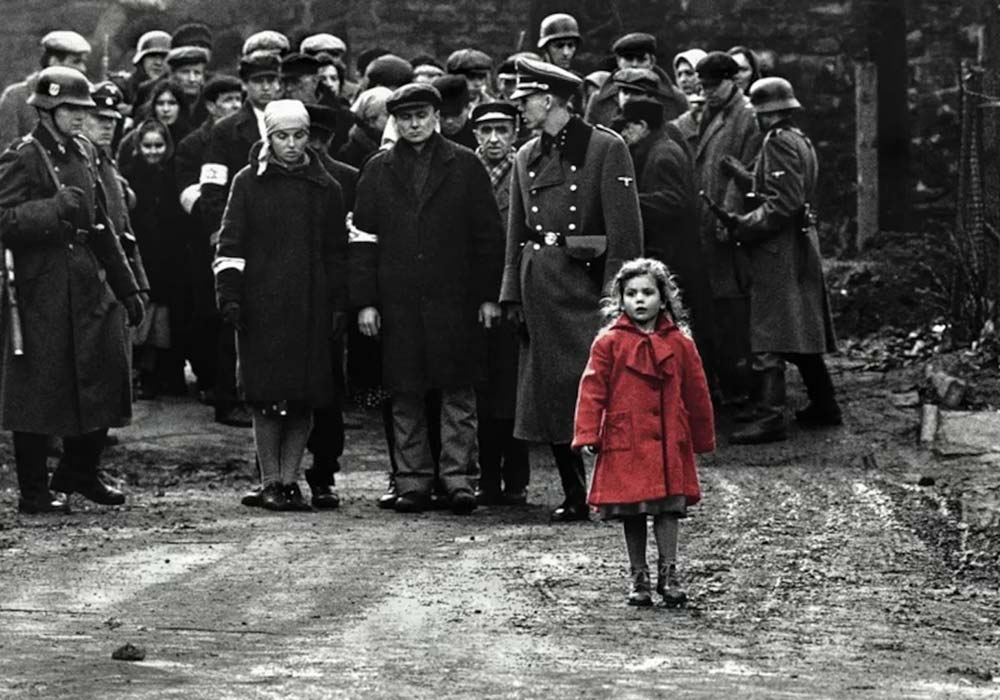
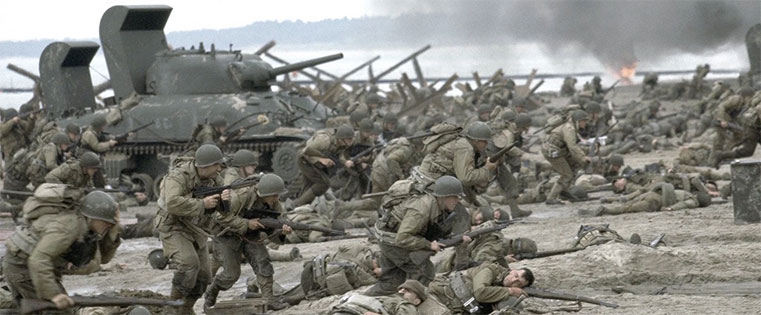
Amblin turns loose both fantasy and history, pushing courage and imagination to their limits. Hook (1991) invites Peter Pan to grow up and rediscover wonder. Jurassic Park (1993) dares to resurrect dinosaurs with breathtaking consequence, while Schindler’s List (1993) confronts humanity’s darkest truths with unflinching compassion. On television, Animaniacs (1993–1998) brings irreverent comedy to a new generation. The Lost World: Jurassic Park (1997) doubles down on survival against chaos. By decade’s end, Saving Private Ryan (1998) grounds the spectacle in sacrifice and brotherhood.


2000s
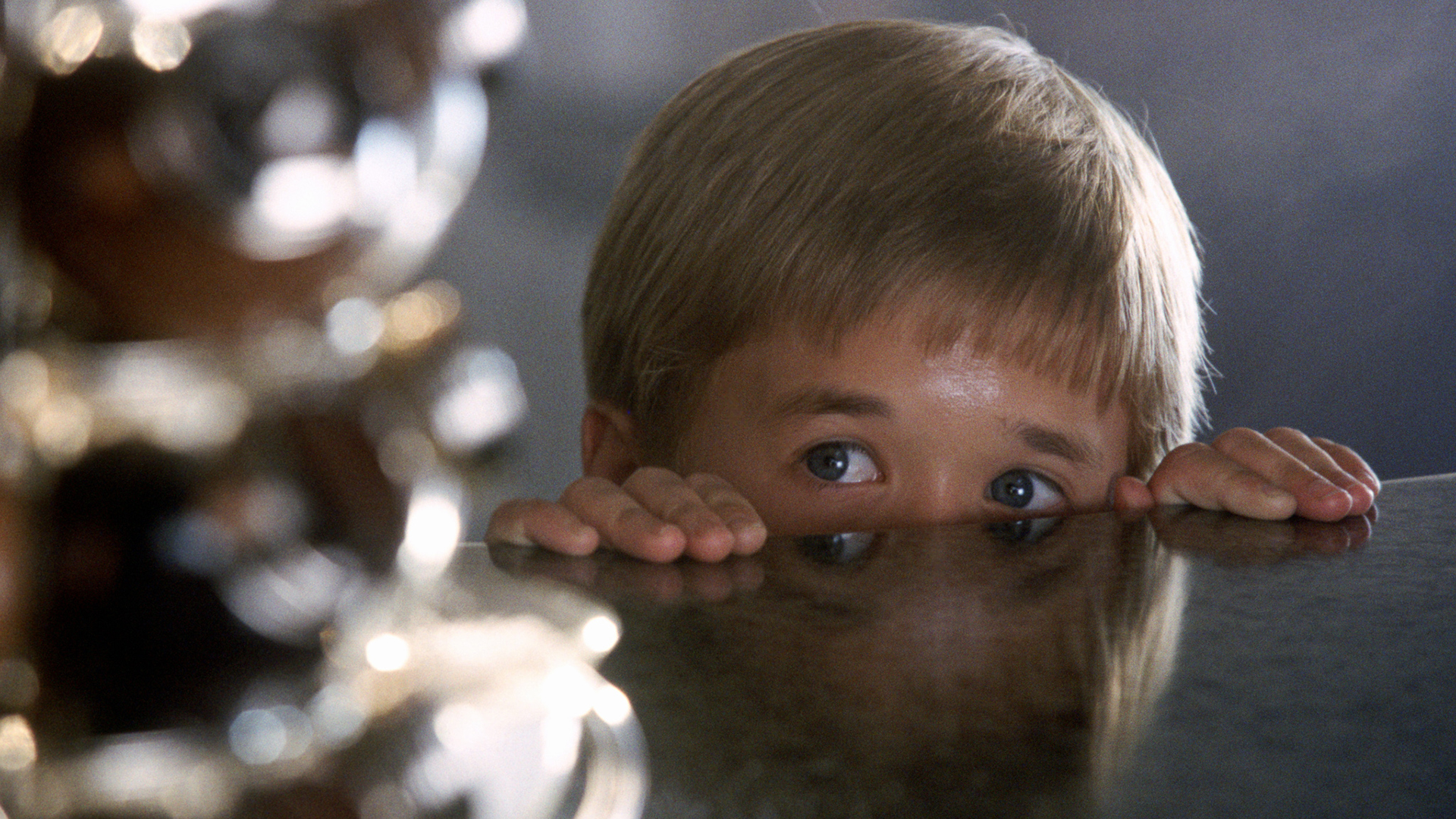
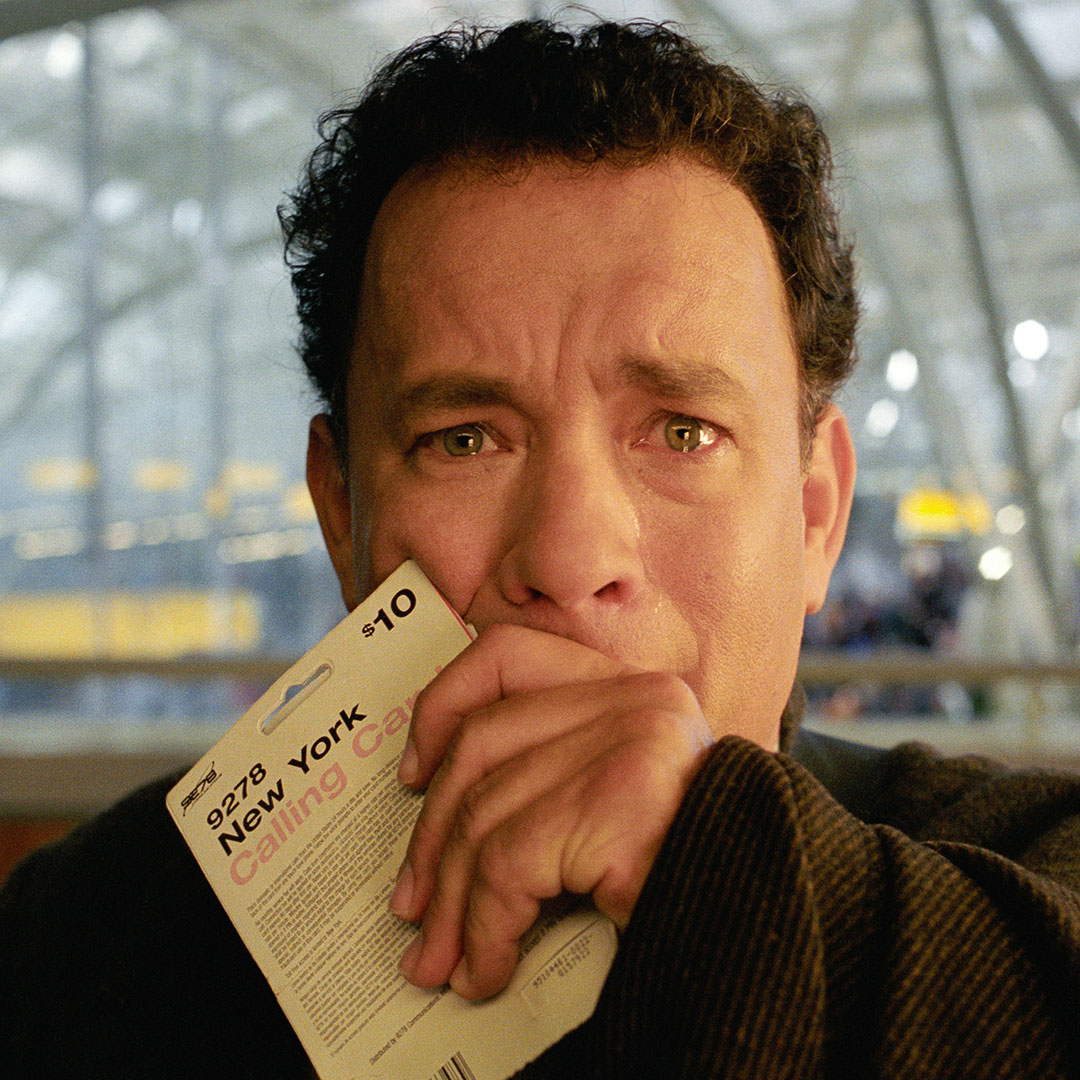
The 2000s lean into stories of identity, longing, and human connection. A.I. Artificial Intelligence (2001) follows a boy-robot chasing love that may never come. Band of Brothers (2001) captures the relentless brotherhood forged in wartime. In Catch Me If You Can (2002), belonging is a mirage for a master of disguise. The Terminal (2004) turns a man without a country into a symbol of endurance. War of the Worlds (2005) unleashes survival on an apocalyptic scale, while Munich (2005) examines vengeance and its moral cost.
2010s
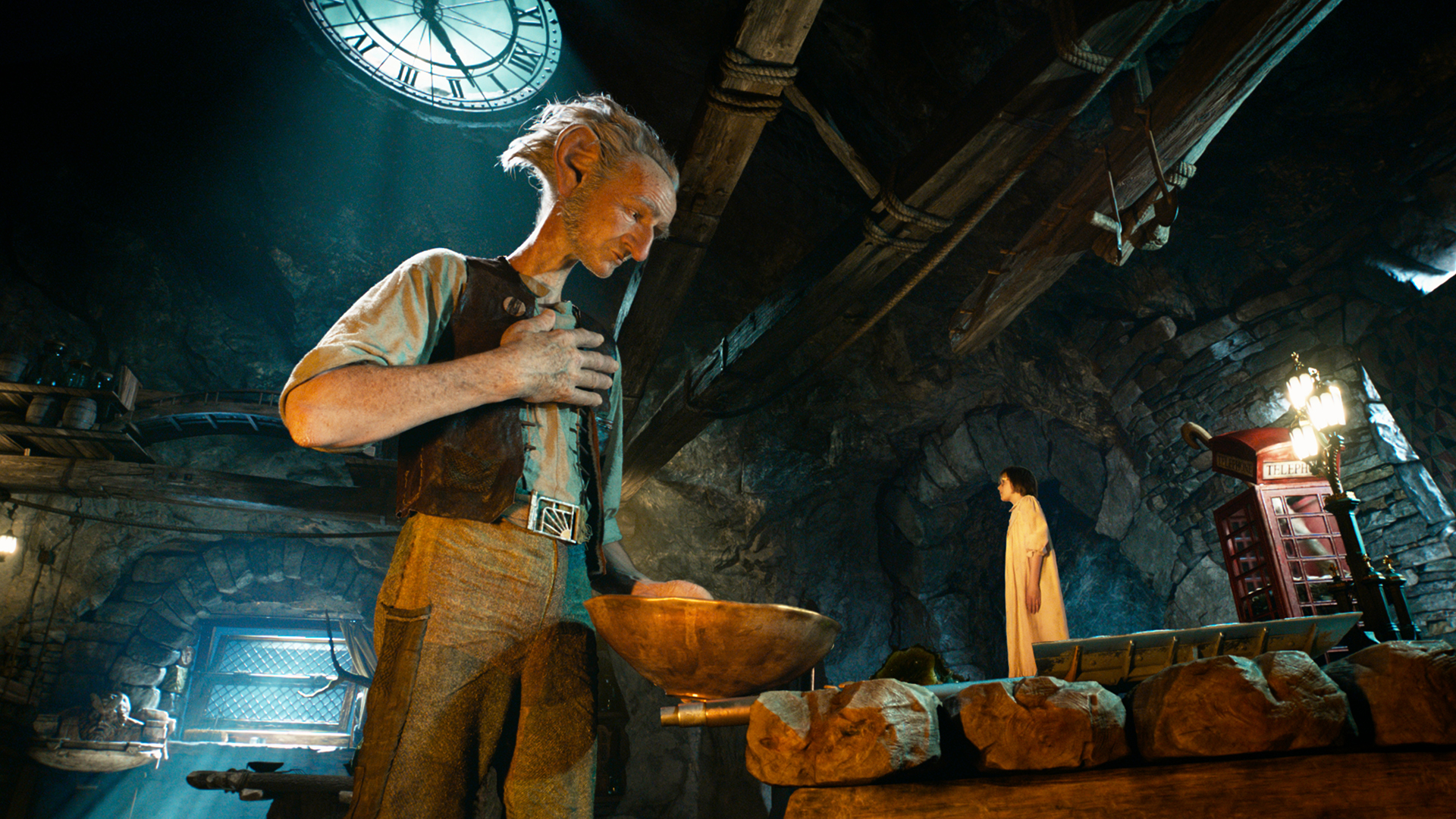
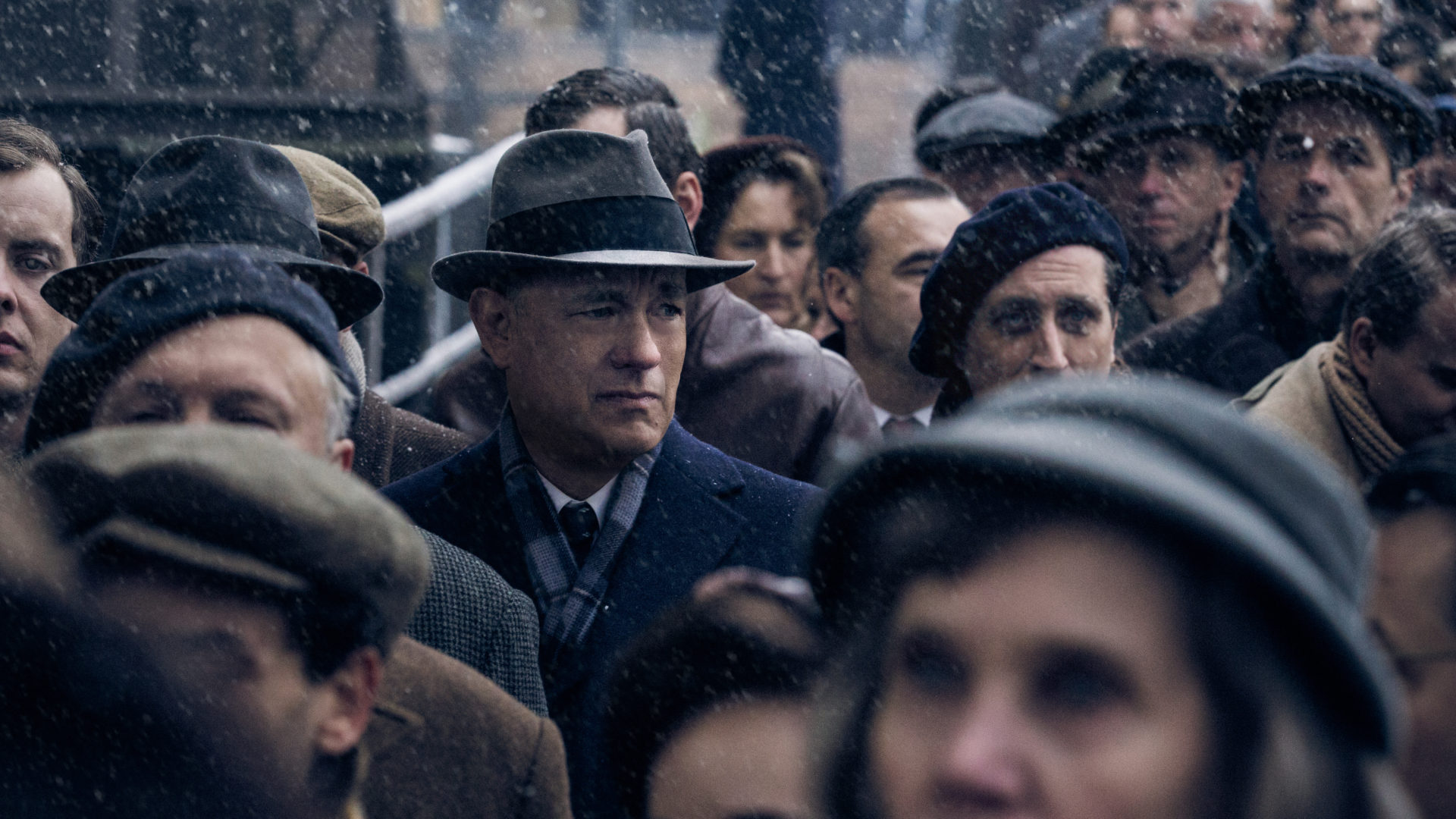
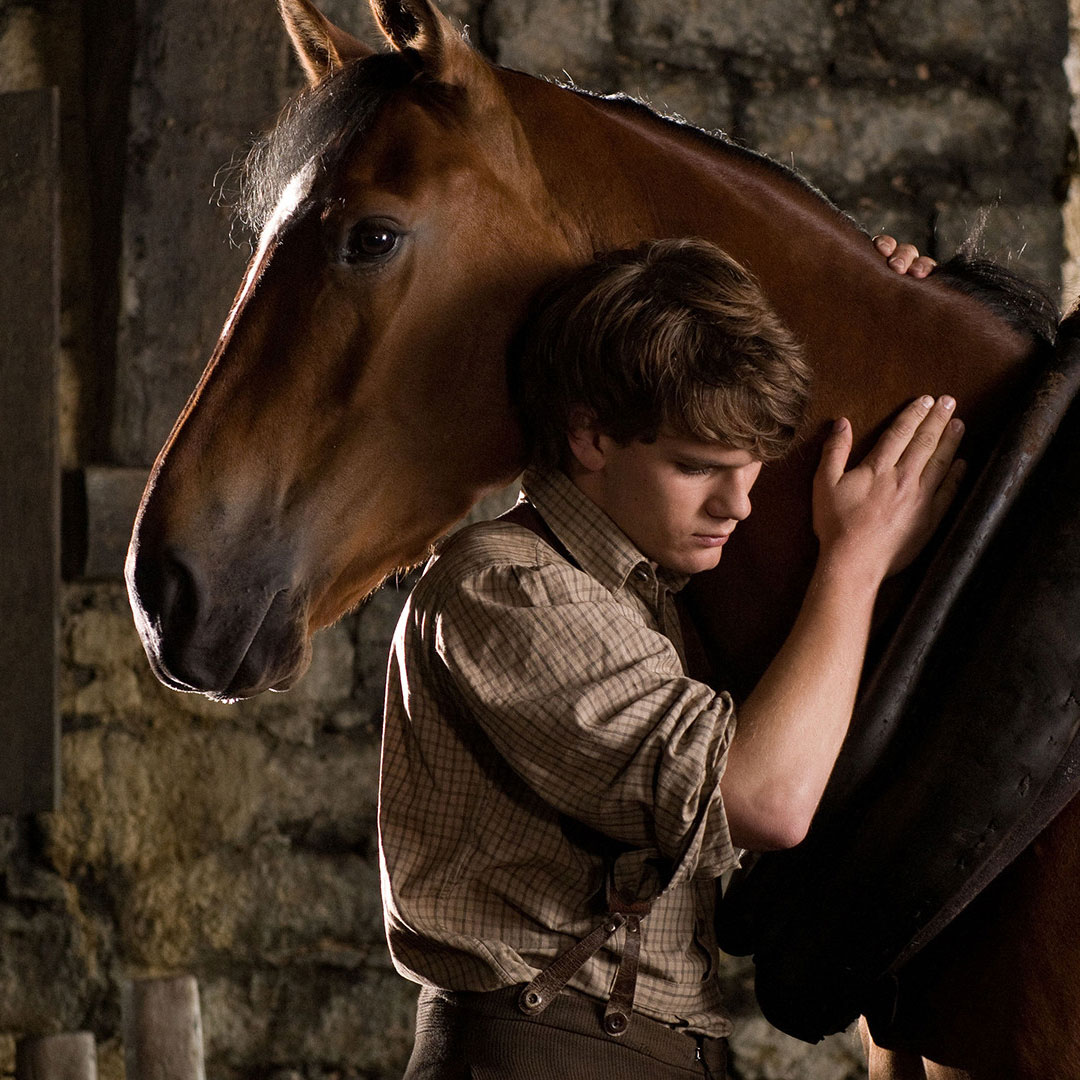
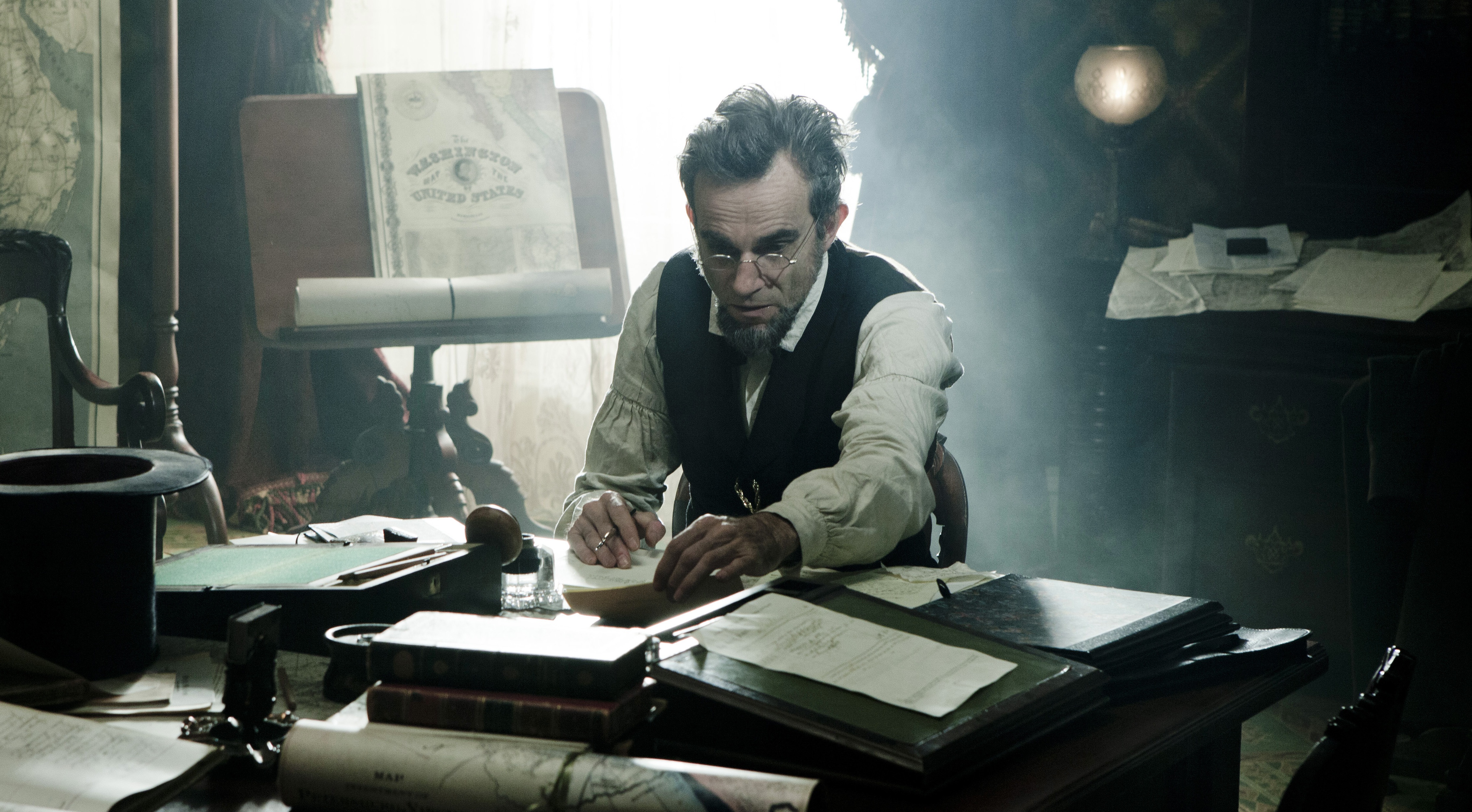
Amblin reimagines scale — both intimate and epic. War Horse (2011) finds loyalty and courage in the trenches, while Lincoln (2012) proves compromise can be heroic. Bridge of Spies (2015) turns quiet diplomacy into gripping drama. With The BFG (2016), childlike faith sustains wonder, and Ready Player One (2018) transforms pop culture nostalgia into a virtual battlefield for the future.
2020s
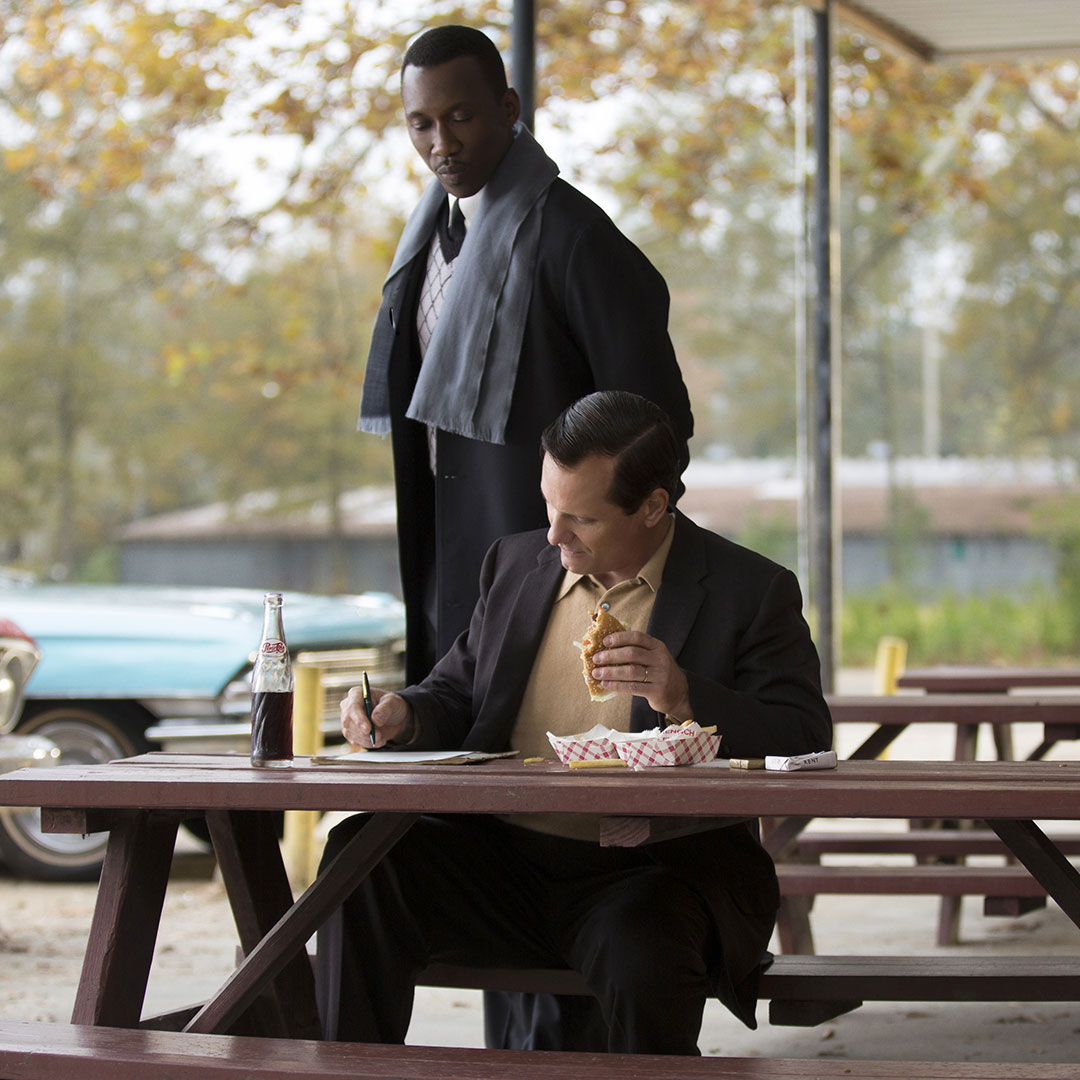
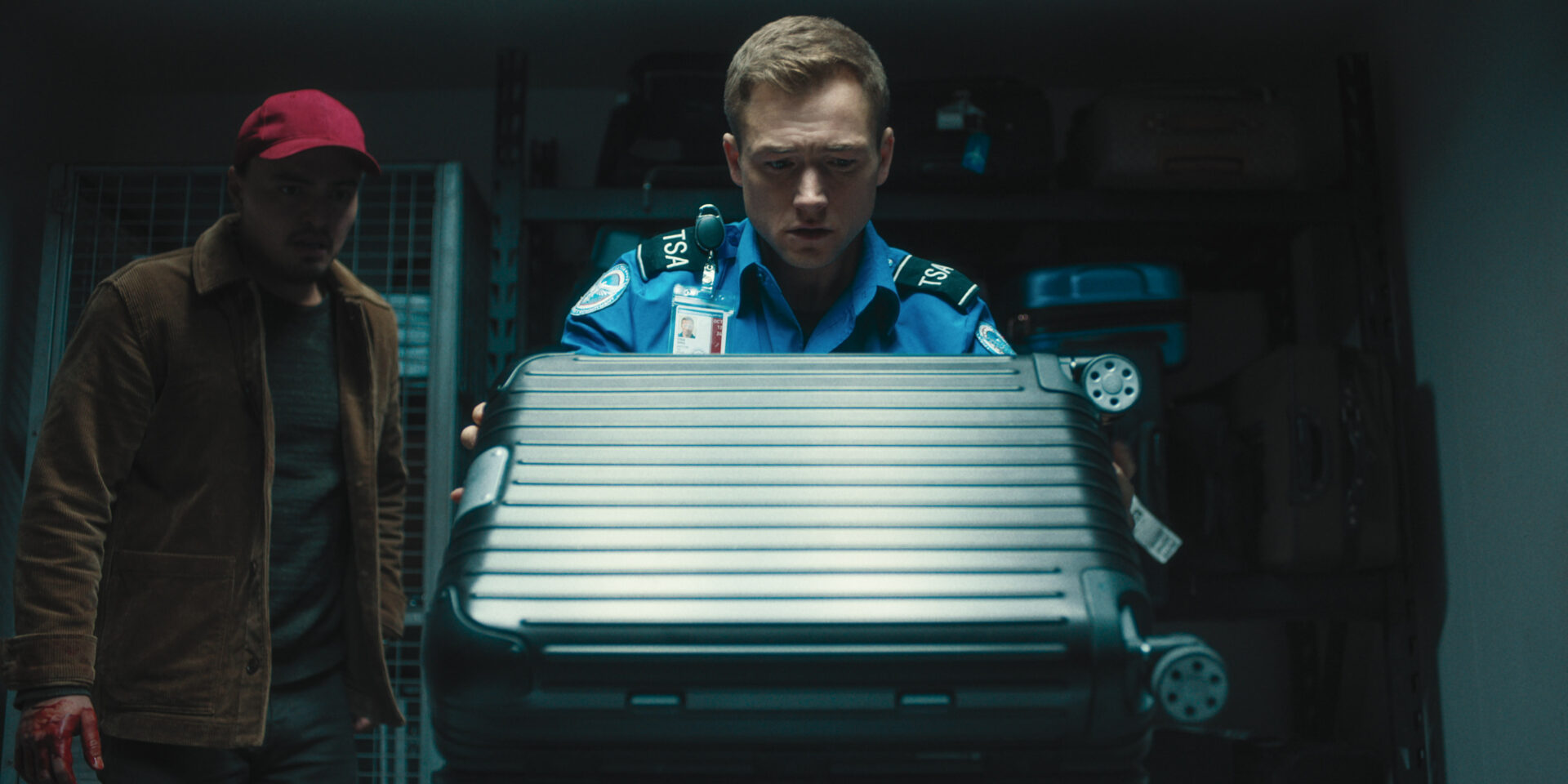
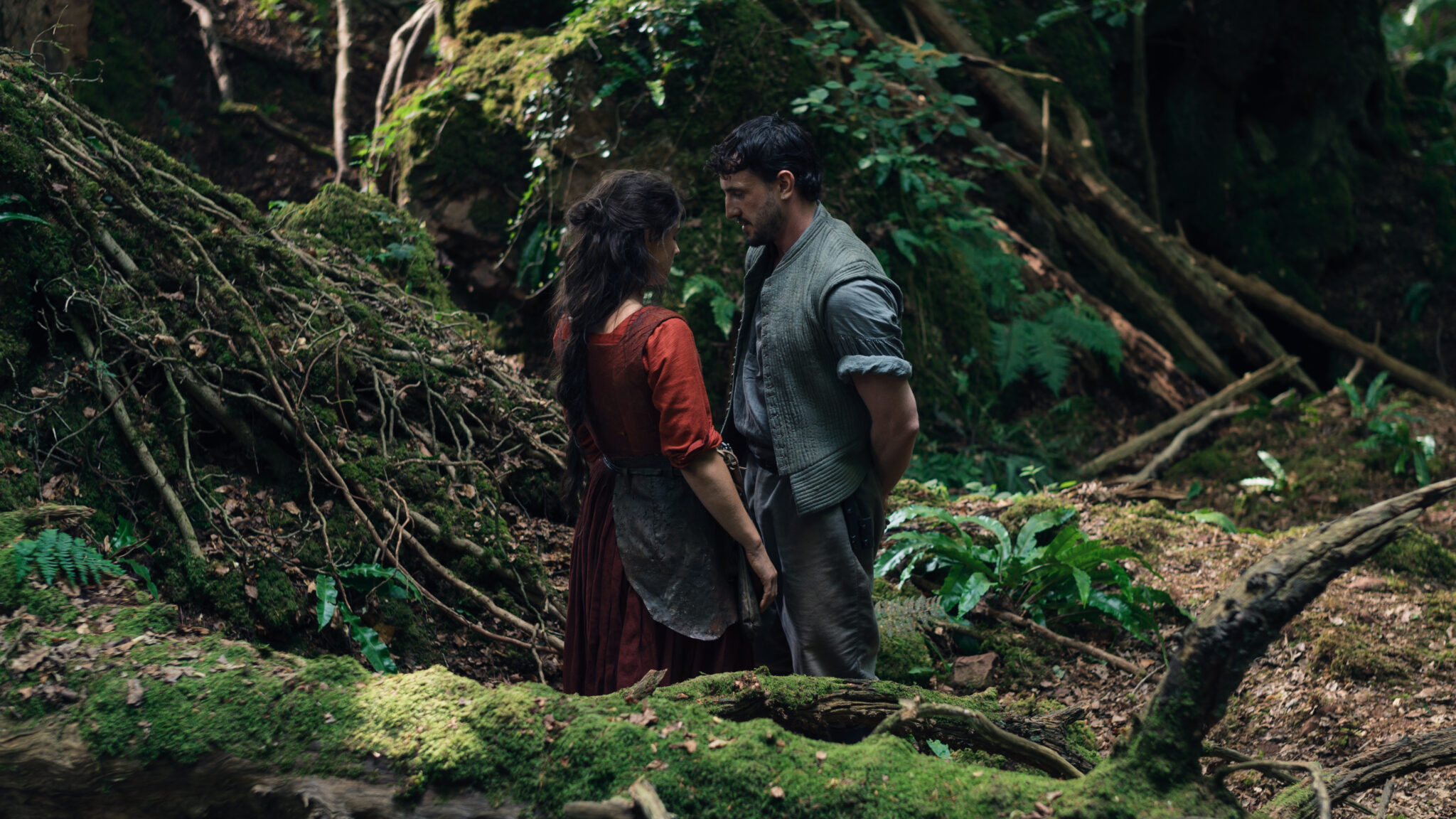
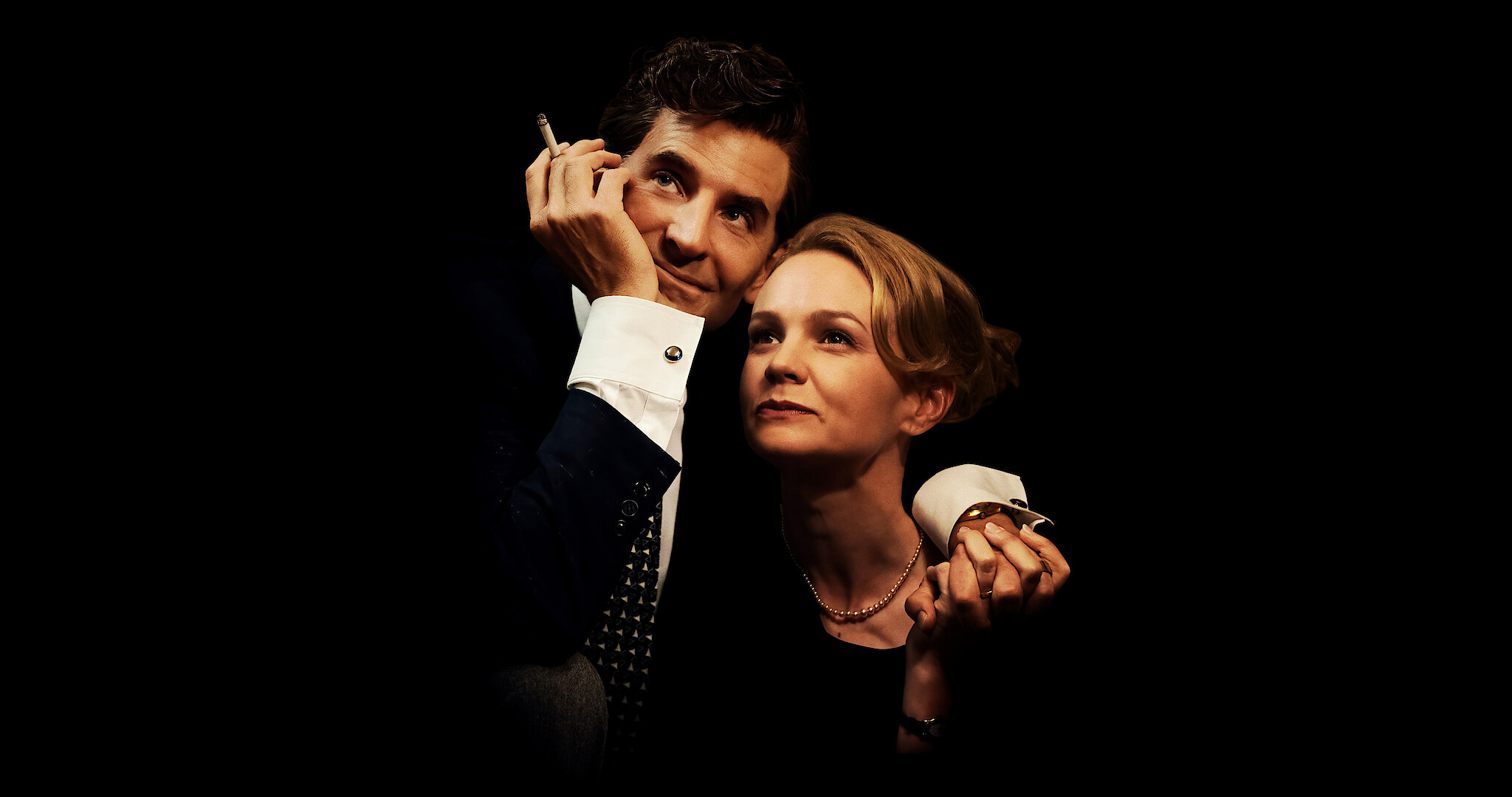
Amid fractured families and worlds, the search for belonging defines every story. Jurassic World: Dominion (2022) asks whether humanity can coexist with chaos. The Fabelmans (2022) turns inward, tracing how an artist is shaped by family and dreams. Maestro (2023) reveals genius defined by love. Hamnet (2025) reimagines Shakespeare’s family through grief and imagination, finding belonging in the bonds of love and loss.
The Future
Amblin’s genius lies in its understanding that audiences don’t come to the theater for spectacle alone — they come to feel. Its stories endure because they place human emotion at the center, turning wonder, fear, joy, and loss into experiences we carry with us. As Amblin continues to chart new frontiers, its true legacy remains the same: stories that move us.